
Clinics GRP Healthy Ageing

Stay active, confident and connected

Education, prevention, wellness, confidence, participation, and long-term functional independence support for older adults.

Available care settings

inClinicinHomeinCommunityinCareDigital
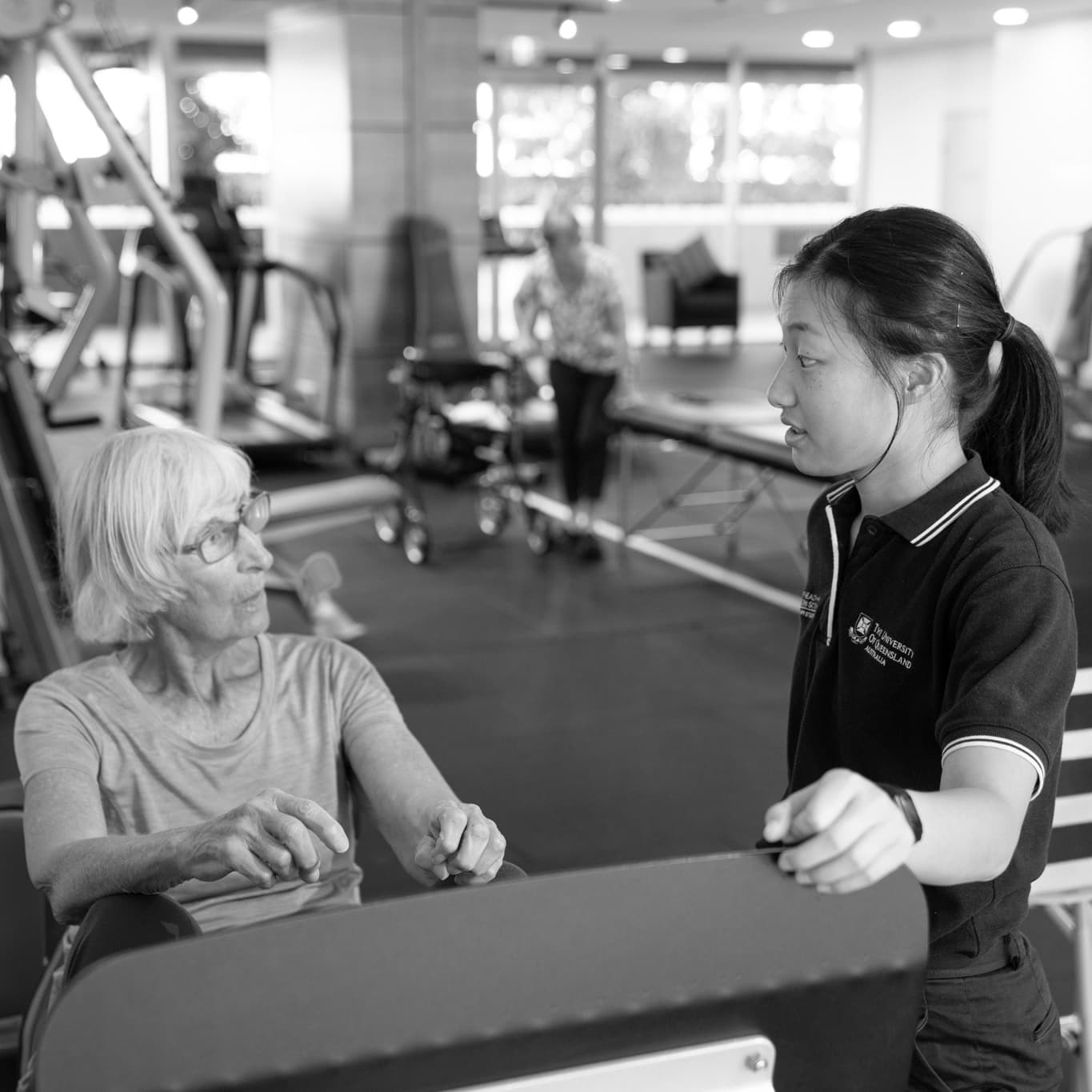
Healthy ageing class for older adults focused on strength, confidence, and participation.
About this service

Support confidence and function before problems escalate

Healthy ageing connects practical education, prevention and participation with clinical pathways when more targeted support is needed.

Clinical approach

Focus on what matters now. Strengthen everyday capability. Connect with care before uncertainty becomes a barrier.

See our approach to care

Who it suits

When healthy-ageing support may help

  • Older adults wanting to maintain mobility, confidence, and participation over time
  • Families looking for practical healthy-ageing guidance and prevention-focused support
  • People who benefit from education, structured activity, and long-term functional maintenance

How care is delivered

What the pathway may include

  • Education, activity guidance, and practical prevention-focused support
  • Connection into physiotherapy, balance, exercise, digital resources, or rehabilitation pathways when needed
  • Plain-English guidance that supports confidence, participation, and independence
Plan and access

Support across everyday settings

Healthy-ageing support may connect clinic, home, community and digital resources according to goals, confidence and current function.

Where care happens

Choose the setting that fits now

Continuity

Care can move between settings as mobility, confidence or support needs change.

Funding and access

Common ways to access care

  • Funding and rebates depend on the service, eligibility, referral or plan requirements, provider arrangements and current policy. Intake confirms the applicable pathway before care begins.

Reviewing progress

Progress is reflected in confidence and participation

Review focuses on whether the person is maintaining activity, capability and involvement in the parts of life that matter to them.

Common concerns

When prevention and confidence matter

People often begin with a wish to stay active, independent and connected rather than a single clinical problem.

  • Reduced confidence, participation, or activity after changes in health or ageing
  • Need for prevention-focused education, mobility support, or healthy-ageing resources
  • Family uncertainty about how to support an older adult before problems escalate

First appointment

Finding the most useful starting point

The first conversation identifies goals, current supports and practical barriers before recommending resources, programs or clinical care.

Select a step to explore the detail.

  1. Understand your needs

    The first step identifies the person's goals, current supports, function, and practical barriers.

  2. Plan your care

    Intake can direct the person toward education, resources, group programs, or a clinical service pathway.

Related services

You may also be interested in

Care service

Therapeutic Exercise

Clinician-guided exercise for older adults focused on strength, conditioning, mobility and day-to-day function.

View service

Care service

Balance & Falls

Assessment and rehabilitation for balance changes, unsteadiness, falls and reduced walking confidence, shaped around everyday function and participation.

View service

Care service

Physiotherapy

Assessment-led physiotherapy for mobility, strength, balance, pain, recovery, and day-to-day function across clinic, home, and care settings.

View service

Care setting

Digital

The organisation-wide digital access layer for Clinics GRP information, education, navigation, enquiries, booking, referral and coordination across every public service and program.

View service
Evidence and clinical standards

Evidence informing our approach

Healthy ageing guidance supports regular activity, person-centred assessment and practical plans that maintain mobility, function and participation. Education and prevention resources should still direct people to clinical assessment when individual symptoms or risks require it.

How to read this evidence

Evidence guides care but does not establish that a service is suitable for every person or guarantee an outcome. Assessment, goals, health conditions, functional capacity, consent and identified risks shape individual care.

Reviewed by: Clinics GRP Clinical Review Team, Clinical review and governance

Last reviewed: 2026-08-15

How Clinics GRP manages clinical evidence
Frequently asked questions

Common questions about healthy ageing

Is Healthy Ageing a treatment service or an education pathway?

It can involve education, resources, programs, and referral into clinical services depending on the person's needs.

Who is this pathway best suited to?

It suits older adults and families who want to maintain function, confidence, participation, and independence over time.

Can Healthy Ageing connect with physiotherapy or exercise?

Yes. It can connect into physiotherapy, therapeutic exercise, balance, rehabilitation, or digital resources when that is the right fit.

Arrange care directly with our clinical team

Explore self-funded care in our clinics, at home and across appropriate care settings. You do not need a Support at Home plan. Clinical suitability, availability and any applicable rebate requirements are confirmed before care begins.

Explore Private Care →

Your next step

Talk with our team about the right care

Healthy ageing support can start with education, practical guidance, or a service pathway depending on what the person needs now.