
Clinics GRP Rehabilitation

Build strength, function and confidence again

Rehabilitation for post-hospital recovery, post-surgical recovery, reconditioning, complex mobility decline, and return-to-function goals.

Available care settings

inClinicinHomeinCommunityinCare
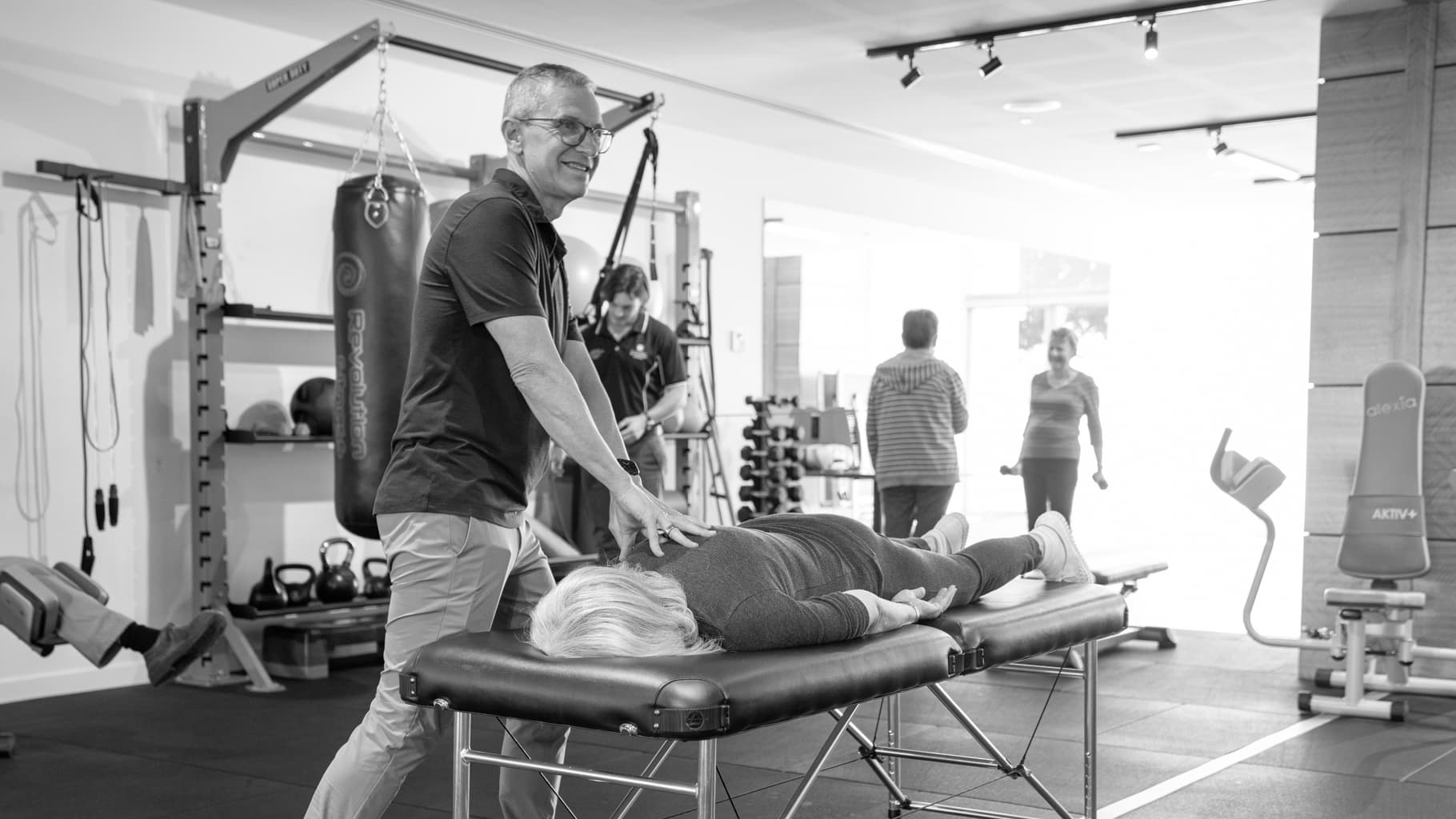
Rehabilitation support for an older adult rebuilding strength and confidence.
About this service

Rebuild function with a structured recovery pathway

Rehabilitation connects assessment, progression and review so recovery does not become a series of disconnected appointments.

Clinical approach

Identify the next functional goal. Build capacity progressively. Review what is changing.

See our approach to care

Who it suits

When rehabilitation may help

  • Older adults rebuilding function after illness, injury, surgery, or hospital discharge
  • People experiencing deconditioning, reduced confidence, or complex mobility decline
  • Families, care providers, and referrers seeking a structured recovery pathway

How care is delivered

What a rehabilitation plan may include

  • Assessment-led rehabilitation planning linked to daily function and recovery priorities
  • Strength, mobility, transfer, gait, balance, and activity progression where appropriate
  • Review and communication with families, providers, and referrers when coordination matters
Plan and access

Rehabilitation that can move with recovery

The pathway can move between home, clinic, community and supported care as strength, transport and confidence improve.

Where care happens

Choose the setting that fits now

Continuity

Care can move between settings as mobility, confidence or support needs change.

Funding and access

Common ways to access care

  • Support at Home (SaH)
  • Commonwealth Home Support Program (CHSP)
  • Medicare
  • Private Health Insurance
  • NDIS
  • Self-funded

Reviewing progress

Recovery is reviewed against functional milestones

Strength, mobility, tolerance and confidence are reviewed against the recovery priorities, with the pathway adjusted when progress slows or needs change.

Common concerns

When recovery loses momentum

Rehabilitation is often useful when recovery has slowed, function has declined or the next step after illness or injury is unclear.

  • Reduced strength, stamina, confidence, or mobility after a health event
  • Slower-than-expected recovery after surgery, illness, or hospital discharge
  • Complex functional decline requiring a clearer plan and review pathway

First appointment

Setting the first recovery priorities

The first review establishes the main recovery priority, immediate safety needs and a practical progression plan.

  1. The clinician identifies the main recovery priority before progressing care.
  2. The plan usually sets immediate safety goals, functional goals, review timing, and the most practical care setting.
Related services

You may also be interested in

Care service

Physiotherapy

Assessment-led physiotherapy for mobility, strength, balance, pain, recovery, and day-to-day function across clinic, home, and care settings.

View service

Care service

Post-Hospital Rehabilitation

Rehabilitation support after discharge, with practical attention to mobility, function, confidence, and returning home safely.

View service

Care service

Therapeutic Exercise

Clinician-guided exercise for older adults focused on strength, conditioning, mobility and day-to-day function.

View service

Care service

Nursing

Older-adult nursing that supports safety, continuity, and recovery through wound care, medication safety, monitoring, follow-up, and clinically guided support at home and in supported care settings.

View service
Frequently asked questions

Common questions about rehabilitation

Is rehabilitation only for people who have been in hospital?

No. Rehabilitation can support recovery after hospital discharge, surgery, illness, injury, deconditioning, or functional decline.

Can rehabilitation happen at home?

Yes. Rehabilitation can occur in clinic, at home, in community contexts, or in residential aged care depending on need and service fit.

How is rehabilitation different from a single appointment?

Rehabilitation usually involves a structured plan, review points, and progression toward function rather than one isolated treatment session.

Your next step

Talk with our team about the right care

If recovery has slowed, mobility has changed, or the next step is unclear, contact intake so the right rehabilitation pathway can be triaged.