
Clinical notes
Clinical notes from our team are shared with the provider within 48 hours of each visit.
Clinics GRP Remedial Massage Therapy
Clinics GRP provides assessment-led in-home remedial massage across Brisbane that may support short-term comfort, pain and movement tolerance for selected musculoskeletal presentations. Also known as mobile remedial massage or a remedial massage home visit, care can be delivered at home, in supported care or at a Clinics GRP clinic when clinically appropriate.
Available care settings
Availability
11,932
Individual appointments across Clinics GRP · FY2025–26
3 Brisbane clinics
Our local basesOne coordinated team
Explore care at homeAppointment figure covers all settings and services, not home visits alone. Source: Cliniko, checked 6 September 2026.
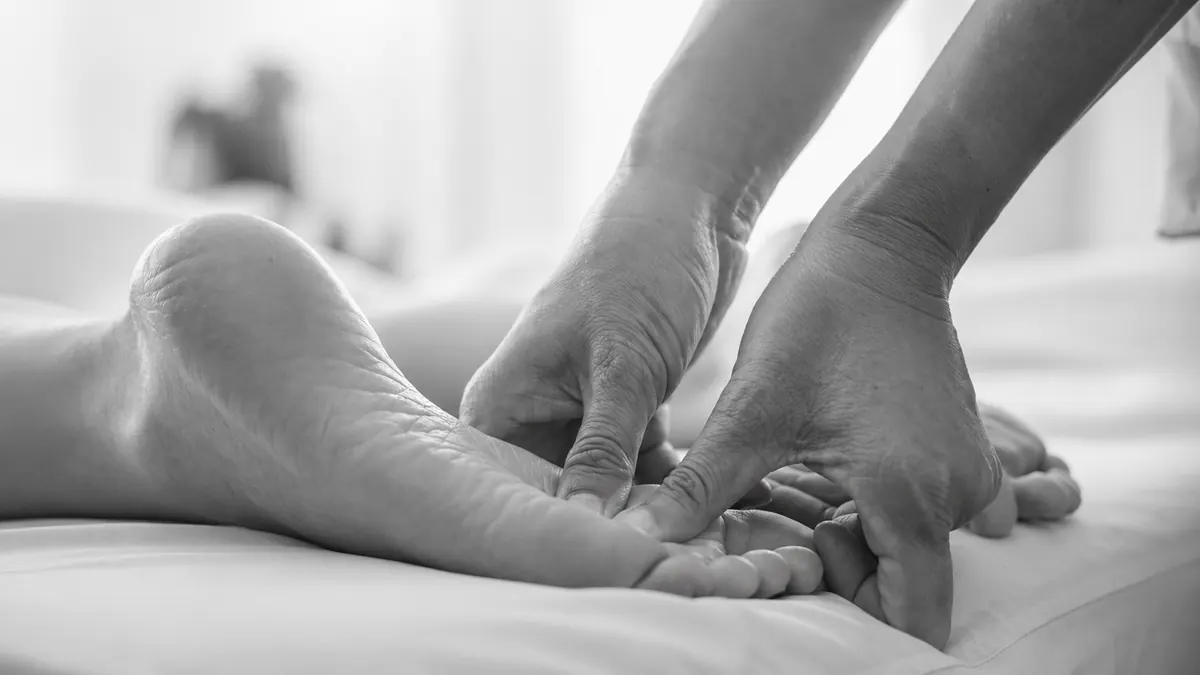
Mobile remedial massage brings assessment-led, hands-on care to the person. Treatment is framed around pain, stiffness, movement tolerance, comfort and recovery rather than relaxation alone.
Clinical approach
Understand the treatment goal. Work within comfort and consent. Connect care with broader recovery needs.
See our approach to careWho it suits
How care is delivered
For provider-coordinated care, our team shares clinical updates and reports with consent, so your provider understands progress, changes and the next steps.
Clinical notes from our team are shared with the provider within 48 hours of each visit.
A progress report is shared with the provider within 48 hours of completing the treatment cycle.
A discharge report is shared with the provider within 48 hours of discharge.
With consent, we communicate escalation or de-escalation, the reason for the change and agreed next steps clearly with the provider. Urgent concerns are communicated promptly without waiting for a routine report.
See whether your suburb is in our published home-visit area. Intake confirms the address, service fit and clinician availability before arranging care.
Ask intake whether your specific remedial massage service and practitioner meet your insurer or provider requirements. A private health policy or funded care plan does not automatically cover remedial massage or home visits.
Ask about funding and accessSee how this service can be coordinated with other approved clinical care through one intake team.
Explore Support at Home clinical careExplore the care that fits your needs. Intake confirms whether it can be delivered at your address.
Brisbane home-visit coverage guideMeet members of our team. Intake confirms who is available and appropriate for your care.

Ai Tajimi
Remedial Massage Therapist

Chris Stewart
Remedial Massage Therapist
Remedial massage pathway
From the first concern to ongoing care, explore how assessment, treatment and review shape your next step.
One intake. Clinical triage. Care planned with you. Your clinician, visit arrangements and follow-up are confirmed according to your needs.
Your pathway, step by step
Select a stage · Swipe to explore
Stage 1 of 7: Referral or need
You, your family or a professional referrer can start the conversation. Share the main concern, suburb and any current care instructions.
Intake reviews urgency, clinical need and the safest care setting. The appropriate clinician, accepted scope, availability, funding and visit arrangements are confirmed before care begins.
Review health history, pain, stiffness and movement goals before treatment.
Tailor treatment to comfort, movement tolerance and agreed recovery goals.
Review symptoms, daily movement and treatment response against agreed goals.
Adjust treatment or coordinate review with the wider care team when needed.
Agree self-management and follow-up at home or in clinic, according to suitability.
Review timing and communication are agreed with you. Care may change as your needs and goals do, with other clinicians involved where appropriate and with consent.
Care may be available in clinic, at home or in supported care, with suitability guided by health history, goals and clinical fit.
Where care happens
Continuity
Care can move between settings as mobility, confidence or support needs change.
Funding and access
Reviewing progress
Review considers whether comfort, movement tolerance and participation are improving between appointments and supporting the broader care goal.
Common concerns
Remedial massage may be considered when stiffness, soft-tissue discomfort or movement restriction is affecting activity or rehabilitation.
First appointment
The therapist reviews health history, goals, consent and current tolerance before agreeing on an appropriate treatment approach.
Select a step to explore the detail.
The therapist reviews goals, health history, consent, comfort, and current movement tolerance.
Treatment is matched to the person and coordinated with broader care where appropriate.
Care service
Assessment-led physiotherapy for mobility, strength, balance, pain, recovery, and day-to-day function across clinic, home, and care settings.
View serviceCare service
Rehabilitation for post-hospital recovery, post-surgical recovery, reconditioning, complex mobility decline, and return-to-function goals.
View serviceCare service
Clinician-guided exercise for older adults focused on strength, conditioning, mobility and day-to-day function.
View serviceMassage may offer short-term pain or function benefit for some musculoskeletal presentations, but the evidence is condition-specific and often low or very-low certainty. It should be described as an optional component selected after assessment, not as a general recovery treatment or a durable correction.
Clinical sources
How to read this evidence
Evidence guides care but does not establish that a service is suitable for every person or guarantee an outcome. Assessment, goals, health conditions, functional capacity, consent and identified risks shape individual care.
Reviewed by: Clinics GRP Clinical Review Team, Clinical review and governance
Last reviewed: 2026-08-15
In-home remedial massage may include assessment-led soft-tissue treatment that may support short-term comfort, pain and movement tolerance for selected musculoskeletal presentations. The approach is matched to health history, consent, current tolerance, and the broader care plan.
Yes. In-home remedial massage, mobile remedial massage, and remedial massage home visits are common descriptions for treatment provided by a remedial massage therapist where the person lives.
Home care remedial massage is hands-on treatment delivered within a person's coordinated support at home. Home care providers, care partners, family members, and clients can contact Clinics GRP intake. We coordinate with the relevant care team when consent and the referral context allow.
Remedial massage is more clinically framed and selected around function, movement restriction, symptoms, and treatment goals rather than general relaxation alone.
Yes. Remedial massage can sit alongside physiotherapy, rehabilitation, or exercise when assessment indicates that the combination is appropriate and useful.
Potentially. Funding and rebates depend on the person's approved pathway, provider arrangements, service agreement, and policy. Intake confirms the service and funding context before care begins.
Home visits are available across published Brisbane service areas. Coverage depends on the address, service fit, travel efficiency, safety, and current therapist availability. Contact intake for an address-specific check.
Check likely home-visit coverage, then contact intake with the address, main concern, health or access considerations, and any provider or funding details. The team will confirm the most appropriate next step.
Referral acknowledged same business day. Clinical triage by the next business day.
Business hours are 8:00 am–5:00 pm, Monday–Friday, excluding public holidays, in Brisbane time. Referrals received outside these hours are treated as received on the next business day. Response timeframes run from receipt during business hours.
Reporting, review and escalation throughout care →Private Care · Direct clinical access
Explore self-funded care in our clinics, at home and across appropriate care settings. You do not need a Support at Home plan. Clinical suitability, availability and any applicable rebate requirements are confirmed before care begins.