
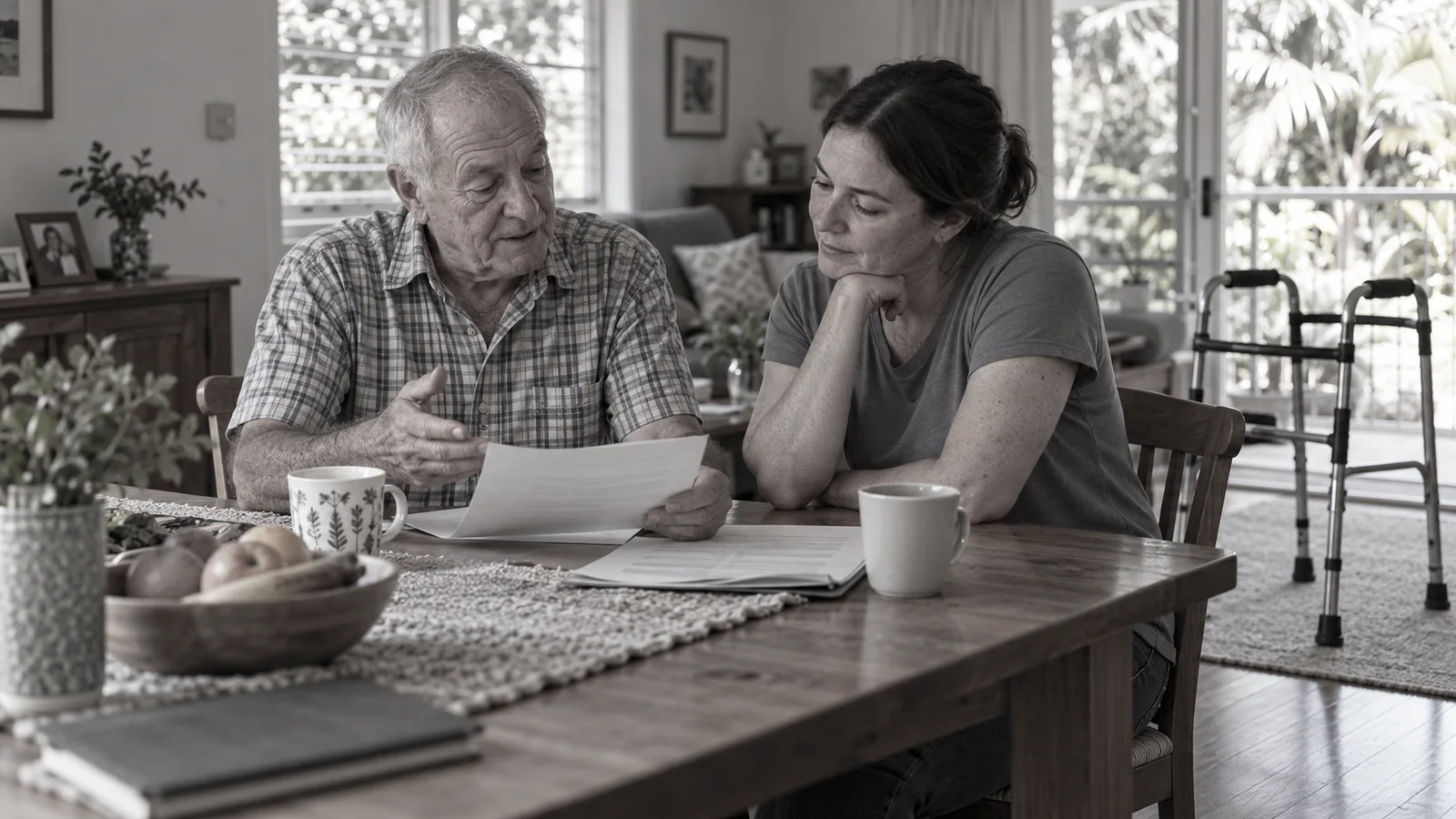
A hip fracture can interrupt life abruptly. Returning home may bring relief, while leaving practical questions about walking, assistance and how much of the usual routine can be resumed. Home physiotherapy can contribute to recovery by assessing movement in the environment where those questions arise.
Recovery after a fracture needs an individual plan. The operation, previous mobility, other health conditions and available support can all affect the next stage. Some people work towards recovering an earlier ability. Others need a different way to participate, or a reliable arrangement for assistance. Those goals deserve equal consideration.
Key points
- Confirm the fracture treatment and instructions about weight bearing before progressing movement.
- Rehabilitation should compare current function with what was usual before the fracture.
- Mobility practice needs to fit health, symptoms, cognition and the support available.
- Bone-health and falls follow-up remain important alongside physiotherapy.
- A new fall, sudden severe pain or an acute change in health needs timely medical assessment.
Hip fracture recovery has its own needs
A fracture is different from an elective joint replacement for arthritis, even when treatment includes a replacement joint. The injury may have followed a fall or acute illness, and there may have been little opportunity to prepare the home. The person may also be dealing with other consequences of the admission.
Australia’s Hip Fracture Clinical Care Standard includes coordinated care, mobilisation, prevention of another fracture and transition from hospital.1 It establishes important responsibilities around the admission and handover. Continuing rehabilitation at home then needs a plan suited to the person’s present circumstances, rather than an assumption that discharge completes recovery.
Ask which services remain involved. Surgical review, GP follow-up, nursing, physiotherapy, occupational therapy and bone-health care may have different roles. A clear explanation should identify who is responsible for each issue and how to seek advice. Several referrals can exist without anyone having confirmed the arrangements needed tomorrow morning.
Understand what the surgical instructions allow
Have the discharge summary and relevant instructions available. The receiving clinician needs to know the type of fracture treatment, permitted weight bearing, any movement restrictions and whether complications affected the admission. If the information is missing or unclear, it should be clarified before a task is progressed.
Do not infer the instructions from the size of a wound, the presence of a walking frame or what another person was allowed to do. An operation name alone may not provide enough information. The physiotherapist may need to contact the treating service, with appropriate consent, to understand the current plan.
This also applies when recovery has moved through several settings. Information from the original hospital, inpatient rehabilitation and home services should be consistent. Bring the most recent documents and explain what advice you have actually been following. A discrepancy is a reason to clarify the plan, not something you should have to resolve yourself.
Compare with life before the fracture
An assessment should ask what was usual before the injury. Which rooms and outdoor spaces did you use? Did you already have assistance, pain, a walking aid or difficulty with stairs? What has changed since the fracture, and which change matters most to you now?
That comparison helps make goals realistic and personally relevant. Someone who previously needed an aid should not be judged against walking without one. Someone who lived independently may need temporary or continuing help. The important question is what can appropriately be recovered, adapted or supported in this person’s life.
The assessment also needs to allow for information that is not visible during the visit. Tell the clinician about tiredness later in the day, trouble at night or a task you have stopped attempting. Our article on function beyond a test score explains why those experiences belong alongside clinical measurements.
Make the first movement goals useful
Early home priorities may involve getting to the toilet, moving between bed and chair or reaching a place to eat with others. These tasks need to be considered with symptoms, the prescribed aid and any assistance required. A short distance can still contain demanding turns, thresholds and transfers.
A physiotherapist may assess walking and relevant muscle function, then select appropriate practice. An occupational therapist may contribute equipment or environmental assessment. Neither profession should ask you to reproduce a dangerous situation merely to demonstrate the problem. Description and careful planning can establish a safer starting point.
Our guide to transfers and stairs at home provides broader questions to discuss. After a hip fracture, individual loading instructions remain central. A general stair technique or online exercise video cannot determine what is appropriate for your fracture treatment.
What can rehabilitation reasonably offer?
A Cochrane review found that mobility interventions after hip fracture surgery can improve mobility, including in programmes begun after discharge. The size and certainty of benefits differed between outcomes and interventions.2 These findings support considering appropriately targeted rehabilitation; they do not promise return to a previous level of independence.
Research programmes also differ from one another. Some include additional walking or functional practice, while others add strength or endurance work. Their results cannot tell us that every person needs the same exercise, visit schedule or duration of care. Assessment should explain why a particular approach is being selected.
Ask how the programme relates to your goal and how the response will be monitored. You should understand the activities being practised, any limits, what assistance is required and when to seek advice. If a plan cannot be completed safely between visits, the team needs that information before simply increasing its demands.
Health and support can change the rehabilitation plan
Pain, fatigue, reduced appetite or an acute health concern can affect participation. Changes in alertness or confusion deserve attention too. Do not assume that a person who is struggling to engage needs stronger encouragement. The difficulty may require medical assessment or a change in how care is offered.
Nutrition, medicines and bone-health treatment sit with the relevant clinicians. Physiotherapy can communicate movement-related observations and identify the need for another review. It should remain clear which professional is addressing a concern. For more about combined care, see when more than one clinical discipline may be needed.
The helper’s circumstances matter as well. Family may have their own pain, work or caring responsibilities. A plan that relies on assistance needs to identify when that help is available and whether the person has received suitable instruction. Willingness alone cannot make a physical assistance task safe.
Keep prevention of another fracture connected
Rehabilitation after hip fracture should remain linked with medical bone-health assessment and a plan addressing relevant falls concerns.1, 3 These are related responsibilities, but one does not replace another. Becoming more mobile does not establish that the underlying fracture risk has been assessed or treated.
Ask whether a bone-health referral or follow-up has been arranged and who will check that it occurs. Discuss any new falls, near-falls or fear that is changing activity. The response should consider the individual circumstances, rather than reduce the event to a single weakness or household hazard.
Home safety may require occupational therapy, and symptoms such as dizziness may need other assessment. Our existing physiotherapy after a fall at home article explains the distinction between addressing urgent medical needs and planning rehabilitation afterwards. Physiotherapy cannot guarantee that another fall or fracture will not occur.
Review the plan without blaming the person
Progress may be uneven. Review should consider symptoms, the movement being practised, assistance, actual participation and the person’s priorities. A goal may need to change as recovery becomes clearer. Maintaining an important activity or making assistance more sustainable can remain a legitimate purpose of care.
If the expected response is absent, ask what that tells the team. Further medical review, a different intervention or a change in support may be required. More visits with the same plan should not be the only available answer. The person should be involved in discussing the uncertainty and choosing the next step.
It is also useful to agree what would trigger earlier contact: another fall, an essential transfer becoming harder or support no longer being available. A scheduled review date cannot anticipate every change at home. Clear contact arrangements help turn observations into a timely response rather than a problem saved until the next appointment.
How Clinics GRP can support you
Clinics GRP provides home and mobile physiotherapy in Brisbane. Intake confirms the address, clinical suitability and availability before arranging care. Supply the fracture and operation information, current movement instructions, usual assistance and the activity causing most concern.
Care may involve an initial home assessment, an agreed rehabilitation plan and review, with communication to other clinicians where appropriate. Home physiotherapy is one contribution to recovery. The team still needs to confirm the other follow-up, equipment and support on which the plan depends.
When to seek urgent help
After another fall, seek urgent medical help for severe hip pain, suspected injury or inability to move safely. Do not attempt an unsafe lift or repeatedly test walking. Call 000 for a medical emergency, including collapse, chest pain or sudden breathlessness. Follow discharge instructions about wound concerns, fever and acute deterioration.1
Next steps
Check the discharge instructions and accepted follow-up arrangements. Identify one necessary activity that is currently difficult and describe the help available. Ask who will review the movement plan, the bone-health plan and any change that occurs before the next visit.
References
- Australian Commission on Safety and Quality in Health Care. Hip Fracture Clinical Care Standard. 2023. https://www.safetyandquality.gov.au/clinical-care-standards/hip-fracture
- Fairhall NJ, Dyer SM, Mak JCS, et al. Interventions for improving mobility after hip fracture surgery in adults. Cochrane Database of Systematic Reviews. 2022;CD001704. https://doi.org/10.1002/14651858.CD001704.pub5
- RACGP and Healthy Bones Australia. Osteoporosis management and fracture prevention: exercise. https://www.racgp.org.au/clinical-resources/clinical-guidelines/key-racgp-guidelines/view-all-racgp-guidelines/osteoporosis/general-bone-health-maintenance/exercise
Disclaimer
This article provides general information only and does not replace individual medical, nursing, allied health, or emergency care advice. Health needs vary from person to person. If you are concerned about symptoms, falls risk, medication issues, mobility, pain, wounds, dizziness, or a change in health or function, speak with your GP or an appropriately qualified health professional. In an emergency, call 000 in Australia.