

Care service
Falls & Balance
Assessment and rehabilitation for dizziness, instability, falls history, and confidence loss across clinic, home, community, and care settings.
Lead pathway
Balance-focused pathway
Care settings
Clinics GRPCare, governance and continuity
Who it suits
Who this pathway is usually for
- Older adults who feel less steady, have had near-falls, or want to stay confident on their feet
- People returning to activity after illness, injury, or hospitalisation
- Family members concerned about falls risk at home
- Referrers seeking a practical falls-prevention and rehabilitation pathway
How care is delivered
What care usually looks like in practice
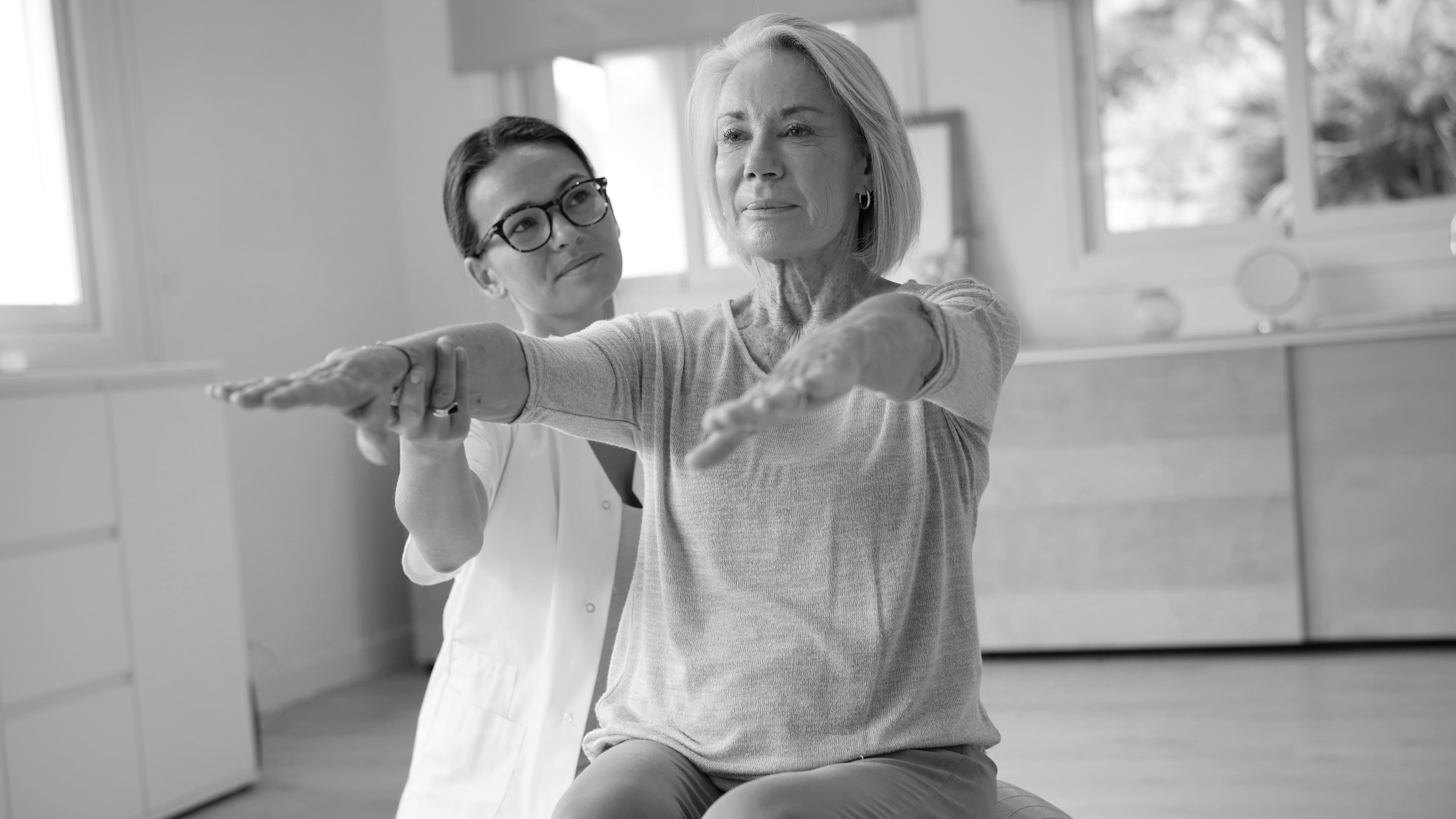
- Balance assessment, gait review, strength work, and falls-risk discussion
- Vestibular screening where appropriate and progression into targeted rehabilitation
- Home advice, program progression, and review over time
Funding
Common access pathways
- Support at Home (SaH)
- Commonwealth Home Support Program (CHSP)
- Medicare
- Private Health Insurance
- NDIS
- Self-funded
Frequently asked questions
Common questions about falls & balance
Do I need to have already fallen before I seek help?
No. Reduced confidence, near-falls, and visible balance decline are all good reasons to seek review early.
Can balance training be delivered at home?
Yes. Home visits can be useful when the main risks or confidence issues show up in the home environment.
How does this differ from vestibular care?
Falls and balance is the broader pathway. Some people with dizziness or vertigo may later be directed into vestibular-specific assessment.
Next step
Start with intake and we will route the person to the right setting
A fall, near-fall, or loss of confidence is a good time to seek assessment rather than waiting for the problem to worsen.