
Clinics GRP Post-Hospital Rehabilitation

Make the transition home safer

Rehabilitation support after discharge, with practical attention to mobility, function, confidence, and returning home safely.

Available care settings

inHomeinClinic
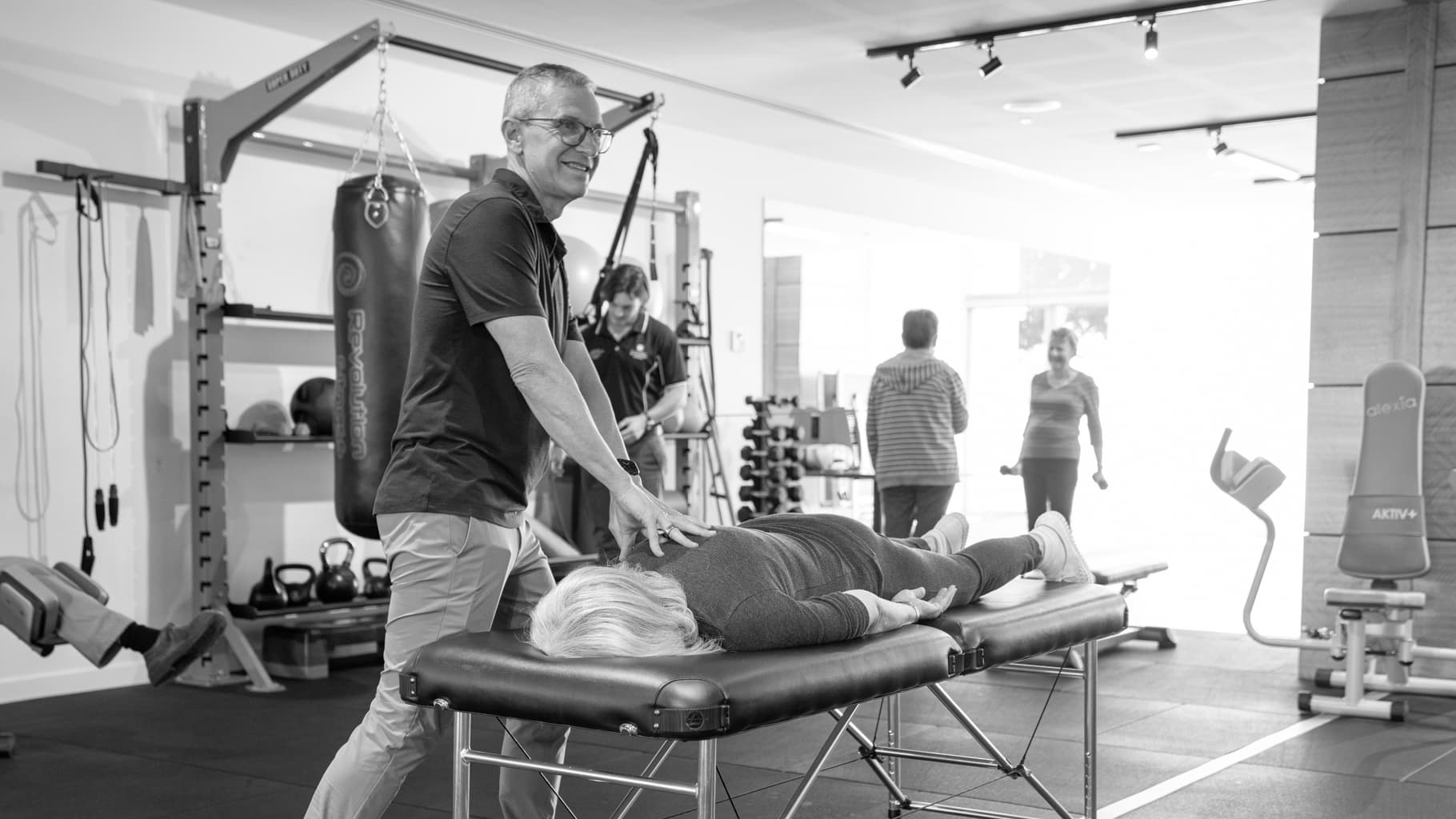
Rehabilitation support for an older adult rebuilding strength after a hospital stay.
About this service

Bridge the gap between discharge and daily life

Post-hospital rehabilitation focuses on the first practical challenges after discharge, from walking and transfers to fatigue, confidence and returning to routine.

Clinical approach

Start early after discharge. Focus on safe function. Keep recovery moving in the right setting.

See our approach to care

Who it suits

When post-hospital support may help

  • People returning home after surgery, acute illness, falls, fracture, or deconditioning
  • Families seeking help to bridge the gap between discharge and stable day-to-day function
  • Hospital discharge teams looking for a responsive community pathway
  • Clients who may need combined physiotherapy, remedial massage, nursing, exercise, and review

How care is delivered

What recovery support may include

  • Mobility assessment, exercise prescription, transfers, stairs, and fatigue pacing
  • Home or clinic follow-up based on the safest and most practical recovery setting
  • Communication that supports continuity across carers, referrers, and care teams
Plan and access

Support shaped around the transition home

Care can begin at home or in clinic, with the setting chosen around discharge status, mobility, safety and available support.

Where care happens

Choose the setting that fits now

Continuity

Care can move between settings as mobility, confidence or support needs change.

Funding and access

Common ways to access care

  • Support at Home (SaH)
  • Commonwealth Home Support Program (CHSP)
  • Medicare
  • Private Health Insurance
  • NDIS
  • Self-funded

Reviewing progress

Progress is judged by safer everyday function

Review considers mobility, fatigue, transfers, confidence and return to routine—not only how the person feels during the appointment.

Common concerns

When the move home needs more support

The first days and weeks after discharge can reveal new mobility, fatigue and confidence problems that were not obvious in hospital.

  • Reduced mobility or confidence after hospital discharge
  • Difficulty returning to usual routines after surgery, illness, fracture, or a fall
  • Unclear next steps between hospital discharge and community recovery

First appointment

Reviewing the first days after discharge

The first appointment reviews the discharge context, current function and immediate risks before setting the recovery priorities.

  1. The clinician reviews discharge context, mobility, home safety, fatigue, current function, and immediate priorities.
  2. The first plan focuses on safe next steps after discharge, not in-hospital service delivery.
Related services

You may also be interested in

Care service

Rehabilitation

Rehabilitation for post-hospital recovery, post-surgical recovery, reconditioning, complex mobility decline, and return-to-function goals.

View service

Care service

Physiotherapy

Assessment-led physiotherapy for mobility, strength, balance, pain, recovery, and day-to-day function across clinic, home, and care settings.

View service

Care service

Nursing

Older-adult nursing that supports safety, continuity, and recovery through wound care, medication safety, monitoring, follow-up, and clinically guided support at home and in supported care settings.

View service

Care service

Therapeutic Exercise

Clinician-guided exercise for older adults focused on strength, conditioning, mobility and day-to-day function.

View service
Frequently asked questions

Common questions about post-hospital rehabilitation

How soon after hospital discharge should support begin?

Usually as early as practical. Early follow-up helps prevent recovery from losing momentum and can reduce confusion after discharge.

Can care be provided at home first and later move to clinic?

Yes. Some people start at home and later transition into clinic once mobility, transport, and confidence improve.

Can a discharge planner refer directly?

Yes. Hospital teams can use the referral pathway directly when community follow-up is needed.

Your next step

Talk with our team about the right care

If someone is preparing to leave hospital or has recently returned home, contact the team early so the transition plan can be put in place.