
Referrers
Specialists and GPs
A practical referral route for specialists and GPs who need clear access to the full Clinics GRP service mix across physiotherapy, nursing, rehabilitation, falls support, home-based care, therapeutic exercise, remedial massage, and broader older-adult pathways.
One intake route, practical triage, and communication that stays clinically relevant.
- Send one referral and let intake allocate the best-fit pathway.
- Clinic, home, falls, rehabilitation, and nursing sit behind the same intake route.
- Contact intake when setting, discipline, or urgency needs clarification.
Who is appropriate to refer
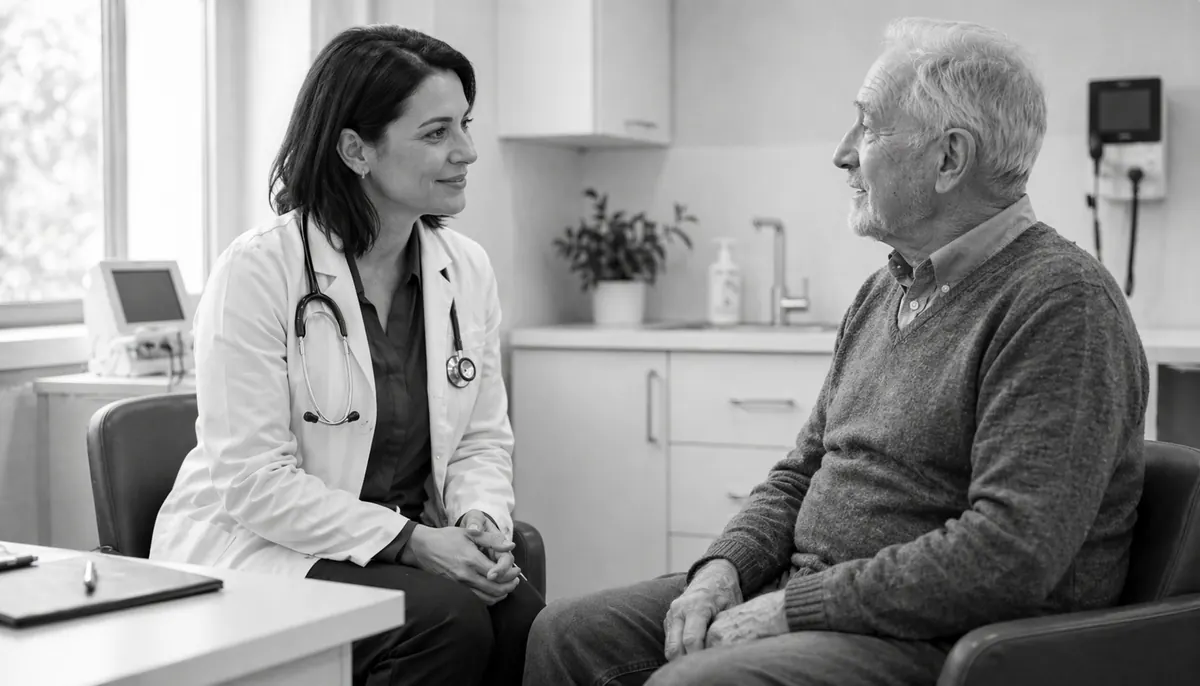
Refer when an older adult needs a clear community pathway for rehabilitation, falls care, nursing, or home-based follow-up.
Common referral reasons
- Mobility decline, deconditioning, or reduced independence.
- Recurrent falls, near-falls, or reduced balance confidence.
- Dizziness, vertigo, or vestibular-type symptoms.
- Functional decline after illness, surgery, fracture, or admission.
- Difficulty attending clinic because of frailty, transport, or the home environment.
- Wound, medication, frailty, or mixed community-based support needs.
Physiotherapy
Mobility, function, pain, strength, falls rehabilitation, and recovery support.
Nursing
Wound review, medication support, monitoring, and post-hospital follow-up.
Balance & Falls
Falls, gait instability, confidence loss, and prevention-focused rehabilitation.
Post-hospital rehabilitation
Functional recovery after surgery, illness, fracture, or hospital admission.
Home-based care
Care at home when transport, frailty, carer context, or environment matters.
Send one clear referral
Share the essentials in three short sections. If the service or setting is unclear, intake will resolve it with you.
Information that helps intake triage
Send the practical and clinical context that affects service fit and first contact.
- Reason for referral and the main clinical question.
- Diagnosis, relevant history, and recent events.
- Discharge summary, imaging, or specialist findings where relevant.
- Medication, falls, cognition, wound, or functional context where relevant.
- Preferred care setting and timing if known.
How we communicate with medical referrers
Updates stay focused on referral progress, relevant changes, and clear next steps.
- Referral acknowledgement and pathway allocation where relevant.
- Clarification when information, service fit, or geography is uncertain.
- Updates when goals, risks, or care direction materially change.
- Discharge or summary communication where clinically appropriate.
- Escalation back when further medical review is indicated.
Confirm the practical pathway before care begins
Intake reviews geography, setting, urgency, and access arrangements alongside clinical fit.
Coverage and coordination
- Clinic appointments at Coorparoo, Yeronga, and Taigum.
- Home visits across Brisbane, with other requests reviewed case by case.
- Selected residential aged care visits where service fit and capacity align.
- One intake route for clinic, home, community, and residential-care triage.
Not for emergencies
- Clinics GRP is not an emergency service.
- Acute or unstable presentations require urgent medical review.
- Emergency symptoms should be directed to emergency services.
- Some referrals need hospital or GP review before allied health begins.
Private referrals
Direct clinic or home-based access for people who need an assessment-led pathway.
Home care support
Support at Home and CHSP-related pathways where clinically and operationally appropriate.
Post-hospital follow-up
Transition support for mobility decline, falls risk, wounds, and functional recovery.
Guidance and operational links
Use these routes for service detail, coverage, communication, or referral support.
Referral form
Send the structured clinical and practical detail directly to intake.
Services overview
Review current allied health, nursing, rehabilitation, and home-based pathways.
Post-hospital guidance
Review the transition pathway after illness, surgery, fracture, or admission.
Locations and coverage
Confirm clinic hubs and current Brisbane home-visit coverage.
Common referral questions
Do I need to nominate the discipline?
No. Intake can triage the referral into the most appropriate discipline and setting.
Can I submit one referral and let intake triage it?
Yes. Send the core information once and intake can allocate the best-fit pathway.
Do you provide home visits?
Yes, when home is clinically and practically the better setting within current coverage.
What updates will I receive?
Updates focus on acknowledgement, allocation, meaningful change, and discharge or escalation.