Clinics GRP Nursing pathway

Practical nursing support for continence concerns

Dignified nursing assessment and support for bladder or bowel concerns, related skin risks, routines, products and care-team communication, with referral onward when specialist or medical review is needed.

Care is subject to referral information, clinical fit, address, required equipment, accepted scope and nurse availability. This is not an emergency or 24-hour response service.

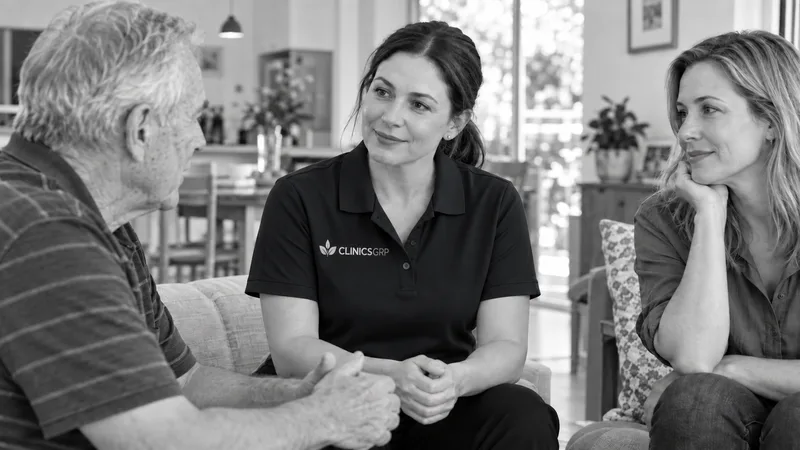
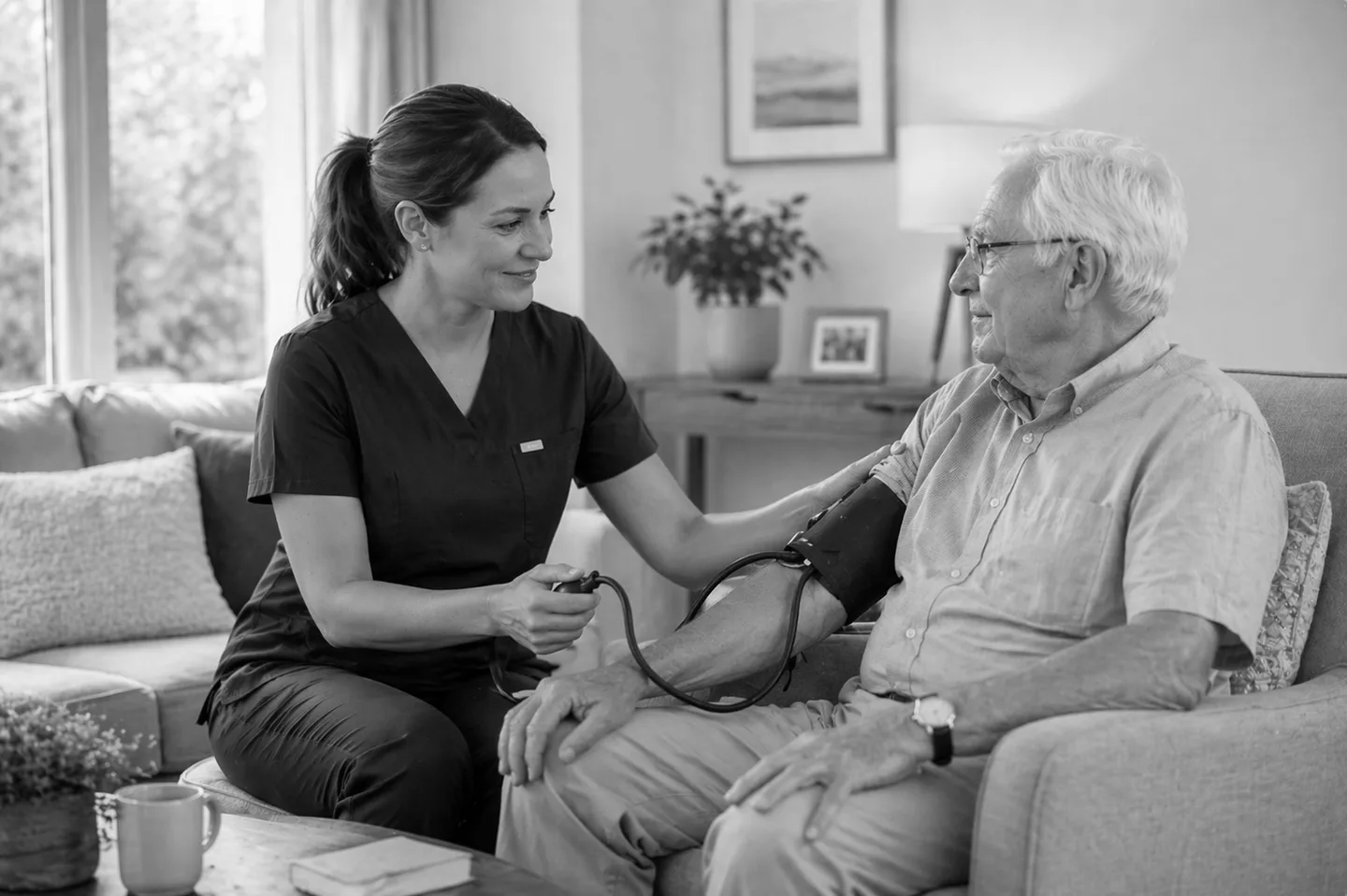
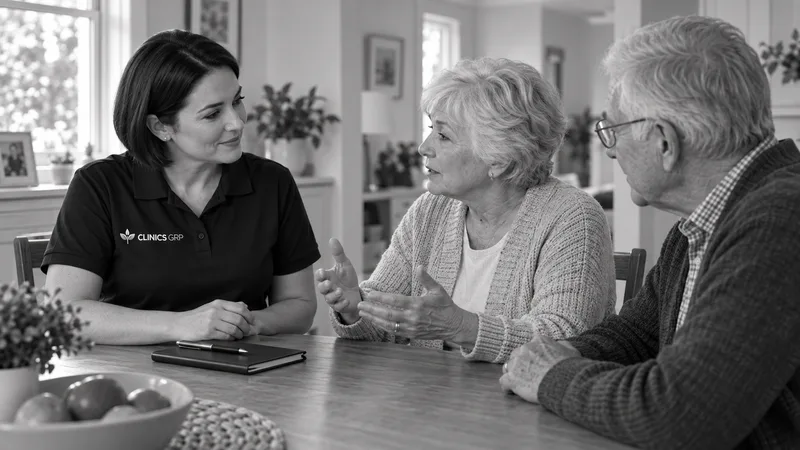
Clinics GRP nurse supporting an older adult during an in-home nursing visit in Brisbane.

Who it may suit

Reasons this pathway may be requested

  • New or changing bladder or bowel concerns are affecting comfort, confidence or daily routines
  • Continence-related skin irritation or pressure risk needs nursing attention
  • The person, family or care team needs practical education and a documented support plan
  • A provider needs clinical observations and guidance about when GP or specialist review is indicated

What nursing can include

Care within an accepted nursing plan

  • A nursing assessment focused on the person’s concern, routines, relevant history and current supports
  • Review of continence-related skin integrity, hygiene needs and practical risks
  • Education about the agreed plan, routines, monitoring and use of available products
  • Documentation and communication with the relevant provider or clinician with consent
  • Escalation or referral when infection, retention, bleeding, acute change or another medical concern is suspected
First nursing visit

Assessment, priorities and a clear next step

The first visit confirms what can be safely delivered, what needs monitoring and who must be informed if the clinical picture changes.

  1. 1

    Discuss the concern respectfully, including onset, pattern, current products, routines and relevant medical context.

  2. 2

    Review skin integrity, practical risks and any signs that require prompt medical assessment.

  3. 3

    Agree the nursing support plan, monitoring, communication and referral pathway.

Expected review points

What the nurse reviews over time

  • Changes in bladder or bowel pattern and the person’s comfort
  • Skin integrity and the practicality of current routines
  • Whether products and supports remain appropriate within the agreed plan
  • Whether GP, continence specialist or other clinical review is needed
Scope and boundaries

What must be clear before care begins

  • The pathway does not claim specialist continence credentials unless an appropriately credentialled clinician is specifically allocated.
  • New, severe or unexplained symptoms may require medical assessment before routine nursing support.
  • Products and consumables are confirmed separately according to funding and provider arrangements.

Call Triple Zero (000) for a life-threatening situation. Sudden or severe deterioration, heavy bleeding, acute obstruction, chest pain, severe breathlessness or new stroke-like symptoms require urgent medical assessment rather than a routine website enquiry.

Nurse allocation

Matched to the accepted task

Intake confirms the registration, competence and authorised scope required before allocating a nurse.

Communication

Connected with the care team

With consent, relevant findings and escalation can be communicated to family, GPs, hospitals, providers and other clinicians.

Funding and access

Confirmed before commencement

If eligible nursing is included in an approved Support at Home plan, a 0% participant contribution applies to that clinical service. The service still uses available programme funding and remains subject to the service agreement, registered-provider arrangements and accepted nursing scope.

Frequently asked questions

Common questions about continence support

Can a nurse assess continence concerns at home?

Yes. A nurse can review the concern, current routines, skin integrity and practical support needs, then identify whether GP or specialist assessment is also required.

Is this a specialist continence service?

The pathway provides general nursing assessment and support. Clinics GRP will only use a specialist title when the allocated clinician holds an objectively supportable credential.

Can you help residential aged-care or home-care providers?

Yes, subject to the referral, consent, clinical fit and provider agreement. Reporting and communication requirements should be agreed before care starts.

Your next step

Ask intake to review this nursing need

Share the main concern, suburb, preferred timing, current care-plan or provider context and any information needed to understand the requested nursing task.